











A car accident can turn your life upside down in seconds. But in Dallas, proving what happened matters just as much as surviving the crash. Insurance companies don’t pay based on sympathy. They pay based on evidence. Knowing which Dallas car accident evidence actually strengthens your case can make or break your claim.
Understanding what to document, what to preserve, and when to take action can protect your rights and significantly improve your chances of fair compensation.
Why Evidence Is the Foundation of Every Dallas Car Accident Claim
In Texas, fault determines compensation. The stronger your evidence, the stronger your position against insurance companies. From police documentation to medical proof, evidence is what turns your story into a legally enforceable claim and protects you from being unfairly blamed.
Because Texas follows a comparative negligence rule, your compensation can be reduced if you are found partially at fault. Understanding the evidence needed for a car accident claim in Dallas is essential when proving liability and damages and preventing insurers from undervaluing your case.
Police Report in Dallas Car Accident
Insurance companies often rely heavily on the police report when evaluating claims. While it does not determine fault on its own, it provides an official and neutral account of the incident that supports your version of events.
Always request a copy of the police report and review it carefully for accuracy.
Car Accident Photos and Videos
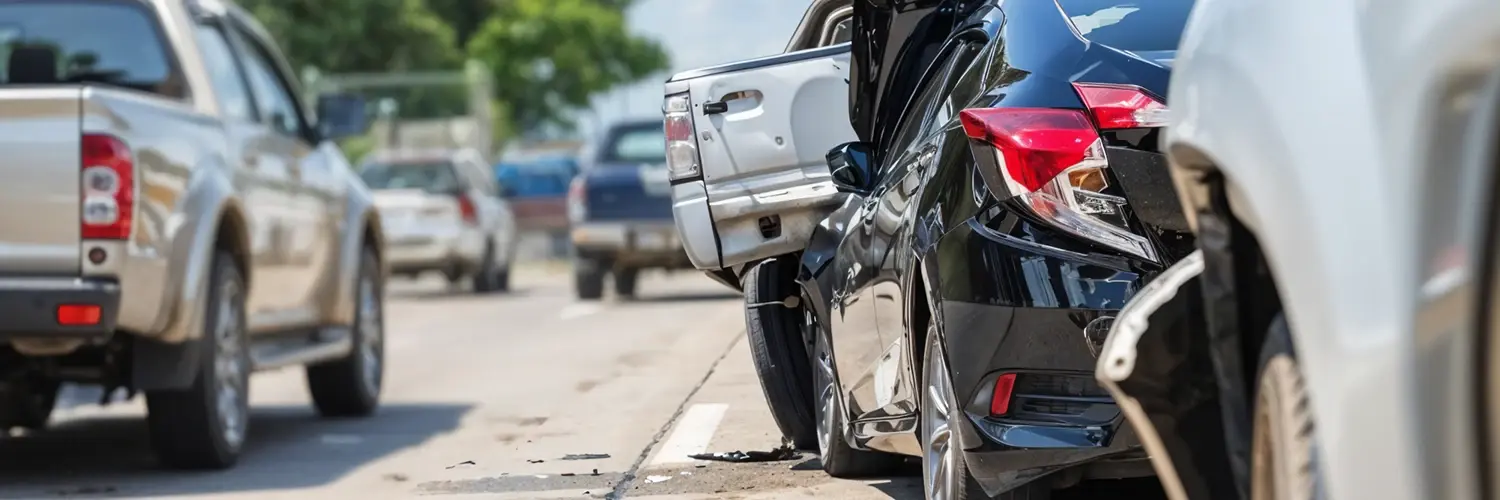
Dashcam footage, nearby business surveillance, or traffic camera recordings can also provide objective proof of how the accident occurred. These visuals help insurance adjusters and attorneys reconstruct the scene and assess fault more accurately.
Car Accident Witness Statements
If possible, collect witness names, phone numbers, and brief statements at the scene. Even a short description of what they saw can help validate your claim and counter false narratives from the other driver.
Medical Records After Car Accident
These records include emergency room visits, physician evaluations, diagnostic imaging, prescriptions, and follow-up treatment. Without proper medical documentation, insurers may argue that your injuries were unrelated, exaggerated, or pre-existing.
Consistent treatment and detailed medical records strengthen your claim and help support compensation for medical expenses, pain, and long-term care.
Proving Fault in a Dallas Car Accident
Proving fault in a Dallas car accident is central to any Texas car accident claim. Evidence used to establish liability may include police findings, witness statements, photos, video footage, and expert analysis.
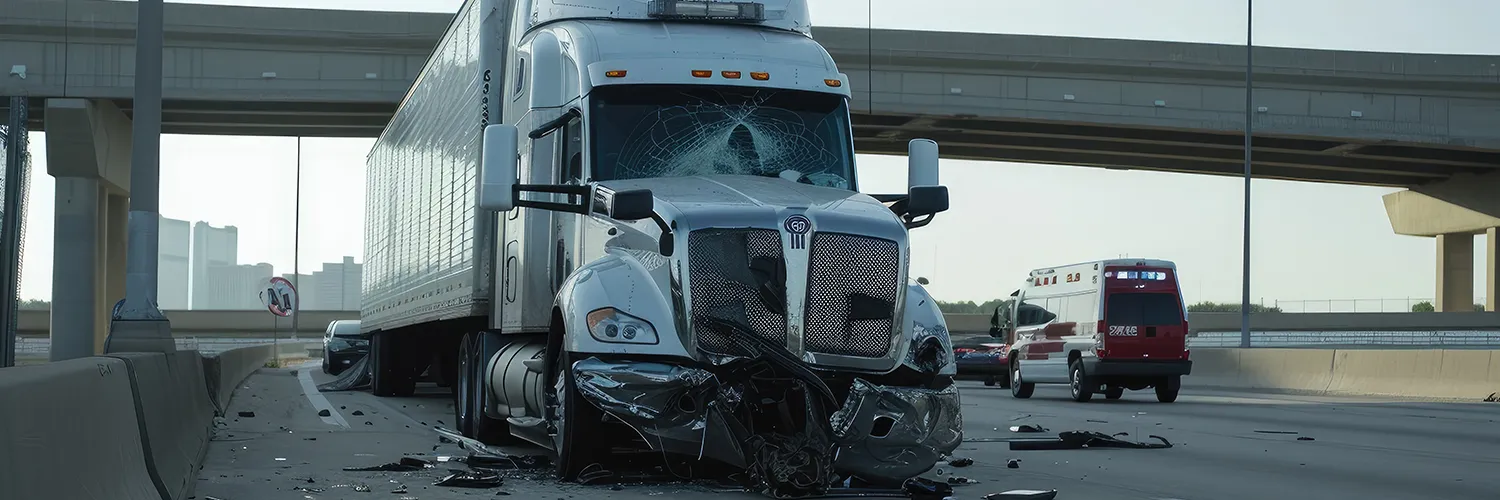
In complex cases, accident reconstruction experts may analyze vehicle damage, road conditions, and impact angles to determine how the collision occurred. This is especially important in multi-vehicle accidents or crashes involving commercial vehicles. Strong evidence helps ensure fault is assigned accurately and prevents insurers from shifting blame unfairly.
Other Evidence That Can Strengthen Your Claim
Additional evidence may include vehicle event data, phone records if distraction is suspected, repair estimates, and insurance communications. Each piece contributes to a clearer picture of the accident and supports the overall credibility of your claim.
Conclusion
After a car accident, confusion, stress, and uncertainty often hit before clarity does. What protects you in that moment is not assumptions, it’s evidence. Police reports, photos, medical records, and witness statements shape how fault is determined and whether your claim is taken seriously.
Frequently Asked Questions (FAQs)
1.What evidence is most important in a Dallas car accident case?
Police reports, medical records, photos, videos, and witness statements are among the most critical pieces of evidence.
2.Do I need medical treatment even if I feel fine after the accident?
Yes. Some injuries appear days later, and medical records are essential for linking injuries to the crash.
3.Can I still recover compensation if I was partially at fault?
Yes. Texas allows recovery as long as you are not more than 50 percent at fault.
4.How long do I have to file a car accident claim in Dallas?
Texas generally allows two years from the date of the accident to file a personal injury claim.
5.Should I speak to the insurance company before hiring a lawyer?
It is usually safer to consult a lawyer first to avoid statements that could harm your claim.