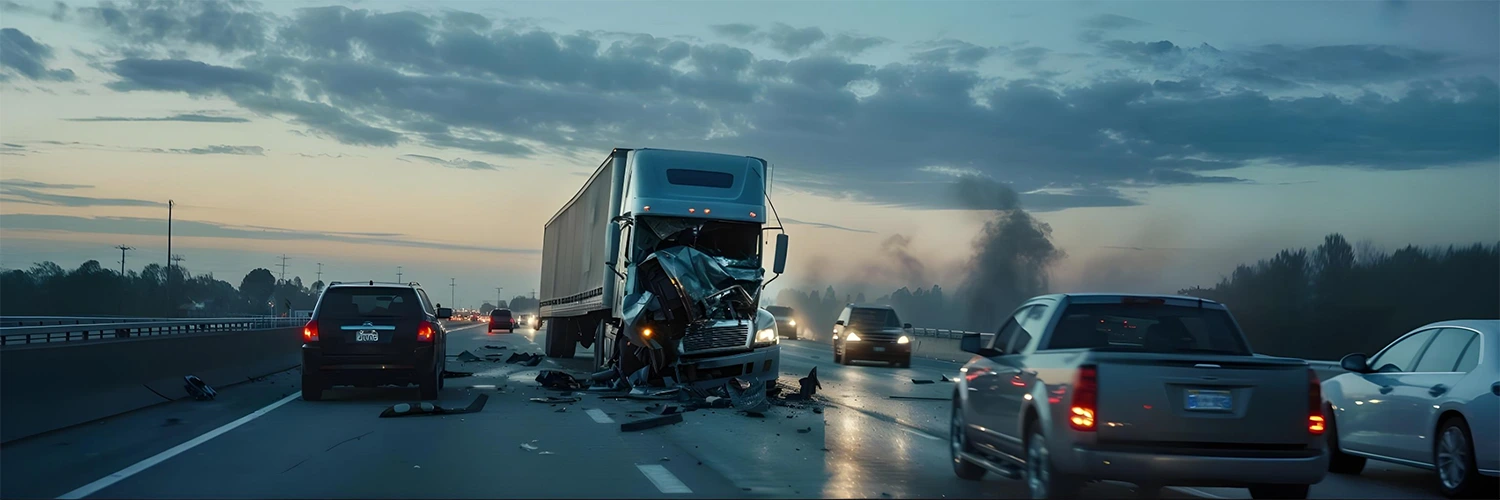



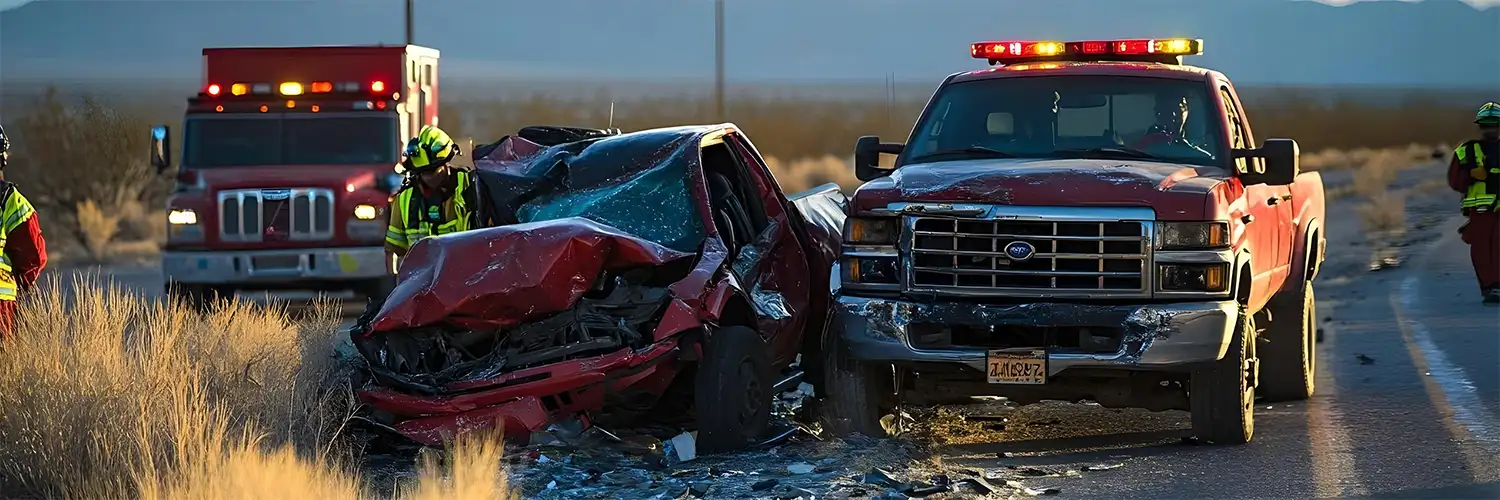


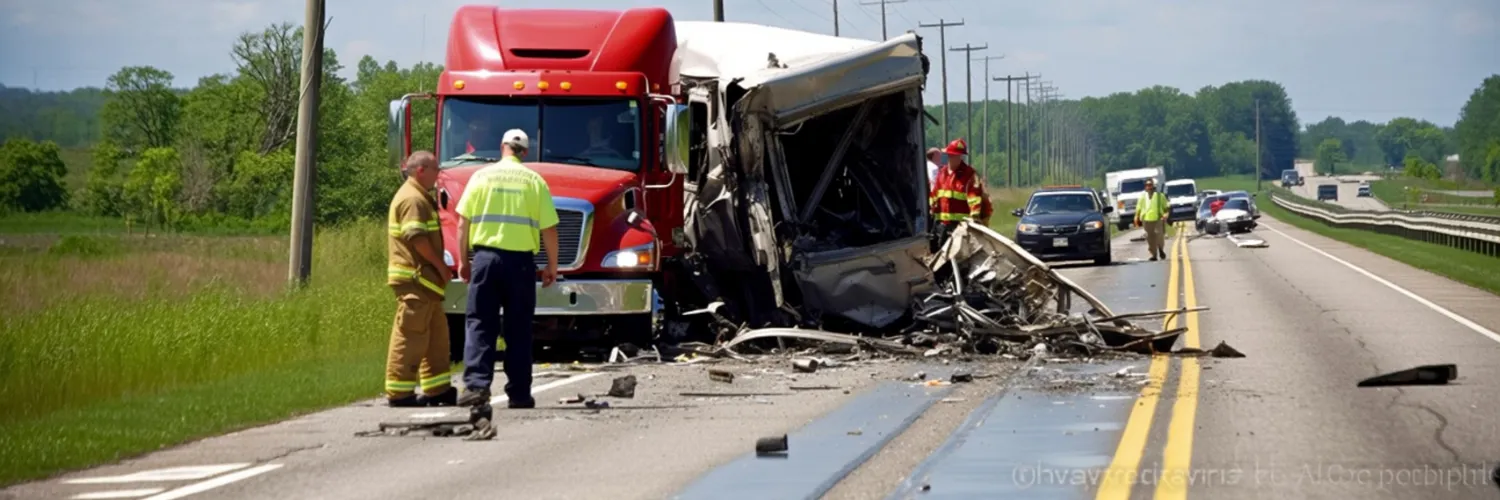




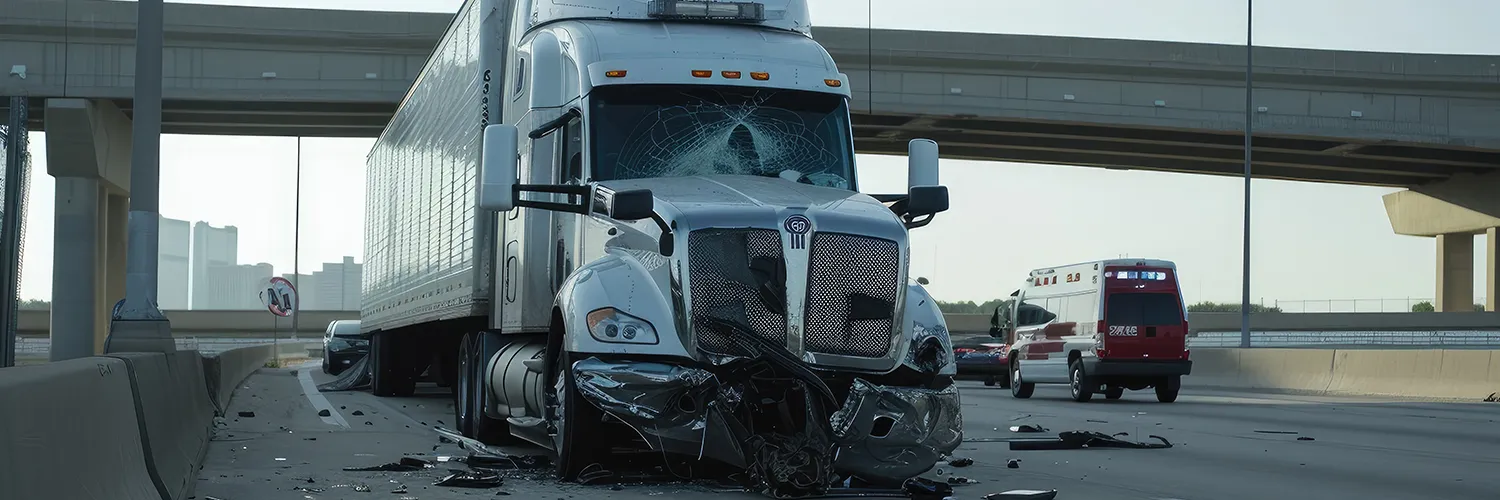
A commercial truck accident in Texas rarely involves just one mistake or one responsible party. These crashes often stem from layered failures across drivers, companies, and third parties. Understanding who can be sued is critical because liability determines evidence strategy, insurance access, and compensation. In a commercial truck accident Texas claim, identifying every legally responsible party is the foundation of a strong case.
Why Commercial Truck Accident Liability Is Different in Texas
Truck accident liability Texas cases differ from standard vehicle collisions because commercial trucking operates under both Texas negligence law and federal safety regulations. Trucks are part of a broader commercial system involving drivers, employers, contractors, and regulatory compliance. As a result, determining who is liable in a truck accident requires a deeper investigation beyond surface-level fault.
The Truck Driver as a Defendant
Truck drivers can be sued when their conduct directly contributes to a crash. Texas law focuses on whether the driver failed to exercise reasonable care under the circumstances.
Driver Negligence Behind the Wheel
Driver negligence often includes fatigue caused by hours-of-service violations, distracted driving, speeding, unsafe lane changes, or impairment. These behaviors may violate traffic laws and federal trucking standards. When proven, driver negligence establishes personal liability even when other parties share responsibility.
The Trucking Company’s Legal Responsibility
In many commercial vehicle accident claims, the trucking company plays a central role in liability.
Employer Liability Under Texas Law
Texas law allows injured parties to hold a trucking company responsible when a driver is acting within the scope of employment. This form of liability applies even if the company did not directly cause the collision. The employment relationship itself creates legal responsibility.
Trucking Company Negligence
Beyond employer liability, trucking company negligence may include poor hiring practices, inadequate training, failure to monitor driver compliance, or unsafe scheduling policies. These failures often contribute to serious crashes and are a frequent issue in truck accident liability Texas cases.
Third-Party Liability Beyond the Driver and Carrier
Truck accidents frequently involve additional parties whose negligence is not immediately apparent.
Cargo Loaders and Shipping Companies
Improper loading, unsecured cargo, or weight imbalance can lead to rollovers or loss of vehicle control. Cargo loaders and shipping companies may be liable when they fail to follow safety and securement standards.
Maintenance and Repair Contractors
Maintenance is often outsourced. When contractors fail to inspect or repair critical systems such as brakes or steering, they may be responsible for resulting accidents. In many 18 wheeler accident lawsuit Texas cases, negligent maintenance by third-party contractors plays a key role in causing brake failures, steering issues, or other mechanical defects.
Manufacturers and Product Defect Claims
Some truck accidents occur even when drivers and companies follow safety protocols.
Defective Truck Parts and Equipment
Manufacturers may be liable when defective components such as tires, brakes, or steering systems contribute to a crash. These claims focus on design defects, manufacturing errors, or failure to warn and require technical evidence.
Brokers and Logistics Companies
Freight brokers and logistics companies may also face liability when they negligently select unsafe carriers. Their responsibility depends on the level of control exercised and knowledge of safety risks associated with the carrier.
Government Entities and Roadway Liability
In limited cases, government entities may be sued for unsafe roadway conditions such as missing signage or unaddressed hazards. These claims are subject to strict notice deadlines and statutory limitations under Texas law.
How FMCSA Regulations Impact Liability Decisions
Analysis of FMCSA regulations often plays a critical role in establishing fault in truck accident cases. Violations related to driver hours, maintenance standards, and recordkeeping help demonstrate negligence and expose systemic safety failures within trucking operations.
Why Identifying the Right Defendants Matters
In many Texas truck accident cases, liability is not obvious at the scene of the crash. Initial police reports may list only the driver, while deeper investigation later reveals corporate safety failures, negligent maintenance, or regulatory violations. Identifying the correct defendants early allows evidence to be preserved before records are altered or lost. This step often determines whether a claim reflects the true scope of responsibility or only a fraction of it.
Identifying all liable parties affects available insurance coverage, access to evidence, and total compensation. Missing a responsible party can limit recovery, while a complete liability assessment strengthens negotiation and litigation strategy in commercial vehicle accident claims.
How a Texas Truck Accident Lawyer Builds a Multi-Party Case
A Texas truck accident lawyer conducts detailed investigations involving electronic logging data, safety records, witness statements, and expert analysis. The objective is to establish responsibility across all parties using documented evidence rather than assumptions.
Conclusion
Commercial truck accidents in Texas are rarely caused by a single mistake. Drivers, trucking companies, contractors, manufacturers, and others may all contribute to the harm. Understanding who can be sued ensures that accountability reflects the full scope of negligence. When liability is identified correctly, justice becomes a matter of proof, and informed legal guidance helps ensure that outcome.
FAQs
1. Who is liable in a truck accident in Texas?
Liability may include the driver, trucking company, or third parties depending on the evidence.
2. Can multiple defendants be sued in one case?
Yes. Texas law allows claims against all parties whose negligence contributed to the accident.
3. Are trucking companies always responsible for drivers?
Only when the driver is acting within the scope of employment.
4. Do FMCSA violations help prove fault?
Yes. Regulatory violations often strengthen negligence claims.