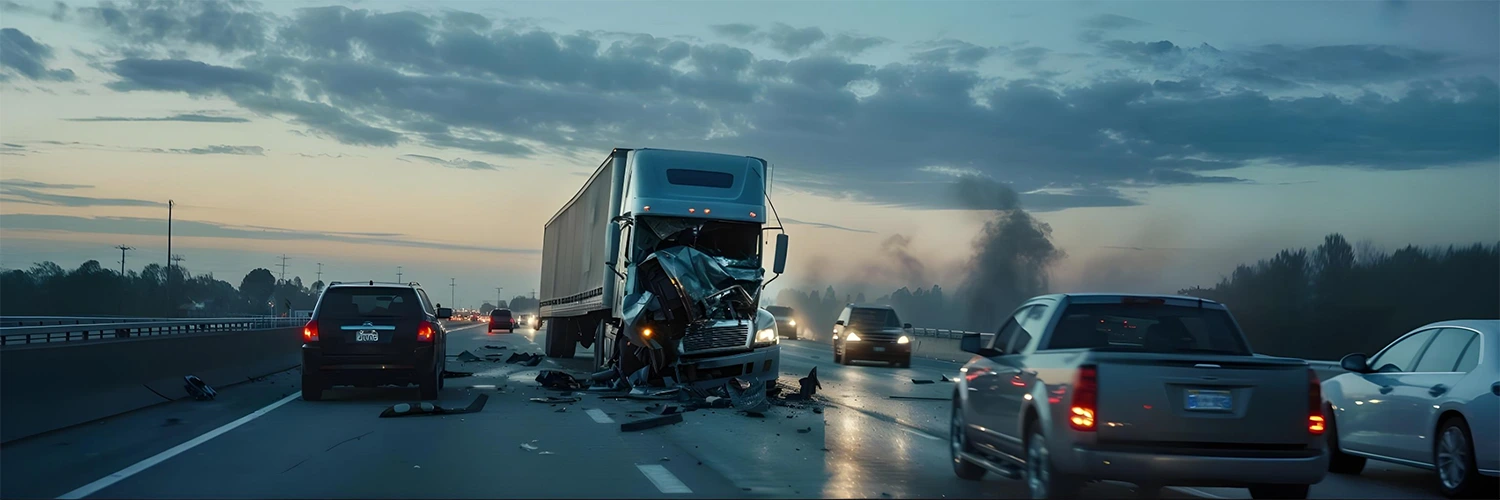


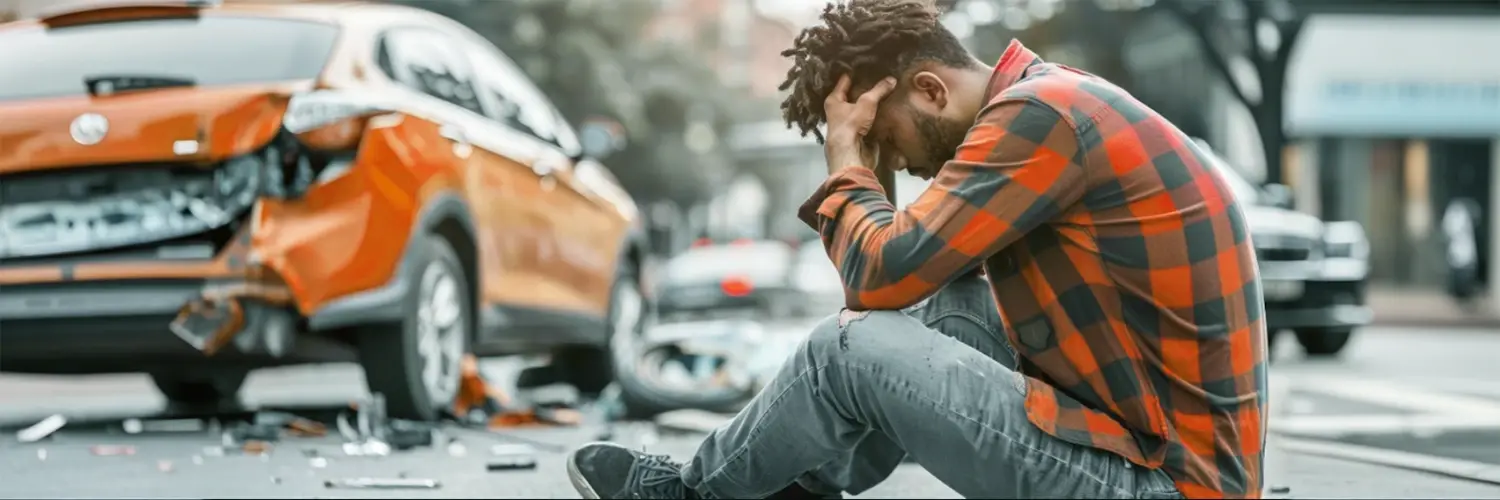


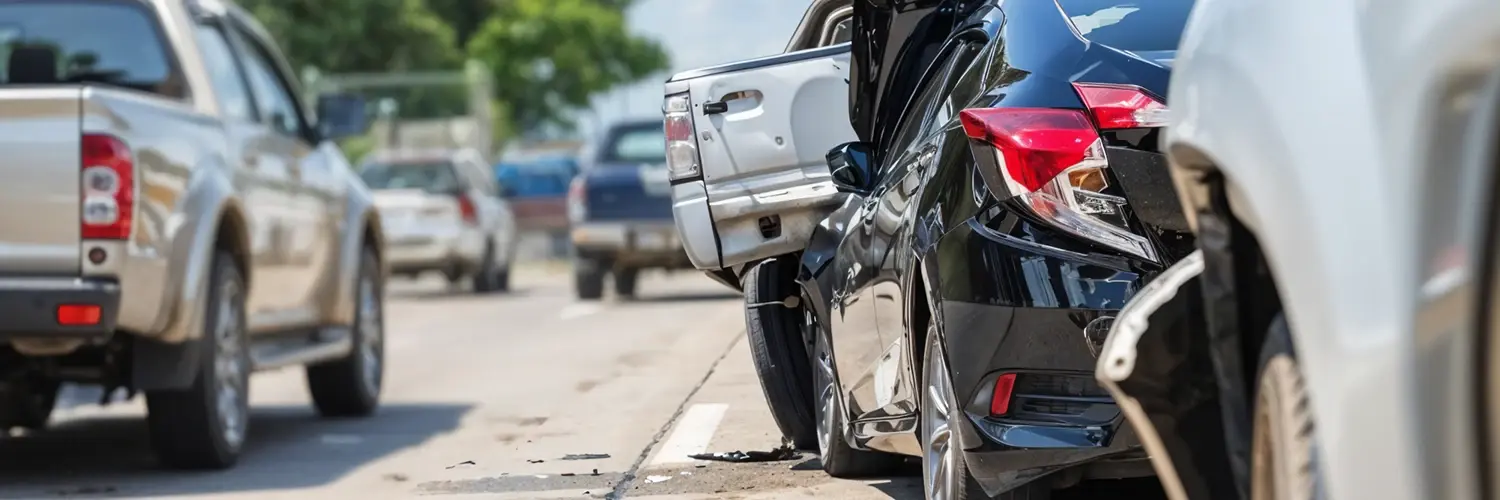


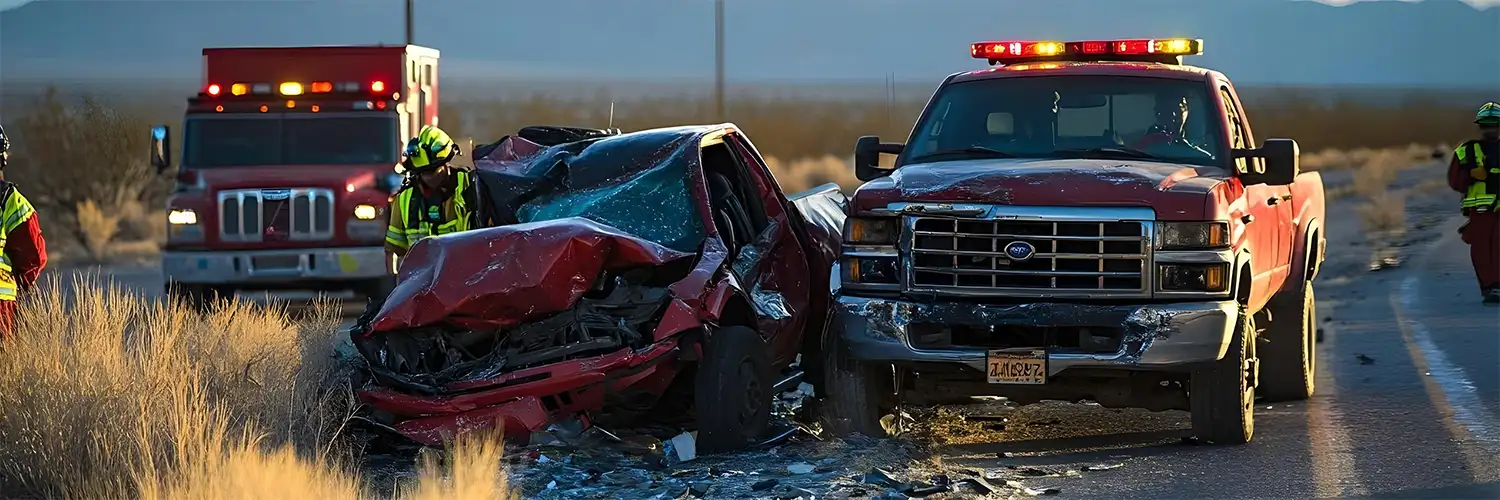
A collision involving multiple vehicles is rarely straightforward. Unlike two-car accidents, multi-vehicle crashes raise immediate questions about fault, insurance responsibility, and how damages are ultimately paid in a multi-vehicle accident in Texas , liability is rarely assigned to a single party. Responsibility is instead evaluated across multiple drivers, insurers, and contributing factors. Understanding how Texas law approaches these accidents helps explain why claims take longer, why disputes arise, and how compensation is determined.
Why Multi-Vehicle Accidents Are More Complex
Multi-car accidents introduce layers of legal and factual complexity that do not exist in simpler crashes. Each additional vehicle adds another perspective, another insurance policy, and another potential source of fault.
How Chain Reaction Car Accidents Typically Occur
Chain reaction crashes are among the most common multi-vehicle scenarios. They usually begin with one unsafe action that quickly escalates.
Rear-End Collision Sequences
Following too closely is a frequent trigger. When one driver fails to stop in time, the initial impact can push vehicles into one another, creating a series of collisions that affect multiple drivers.Highway and Intersection Pileups
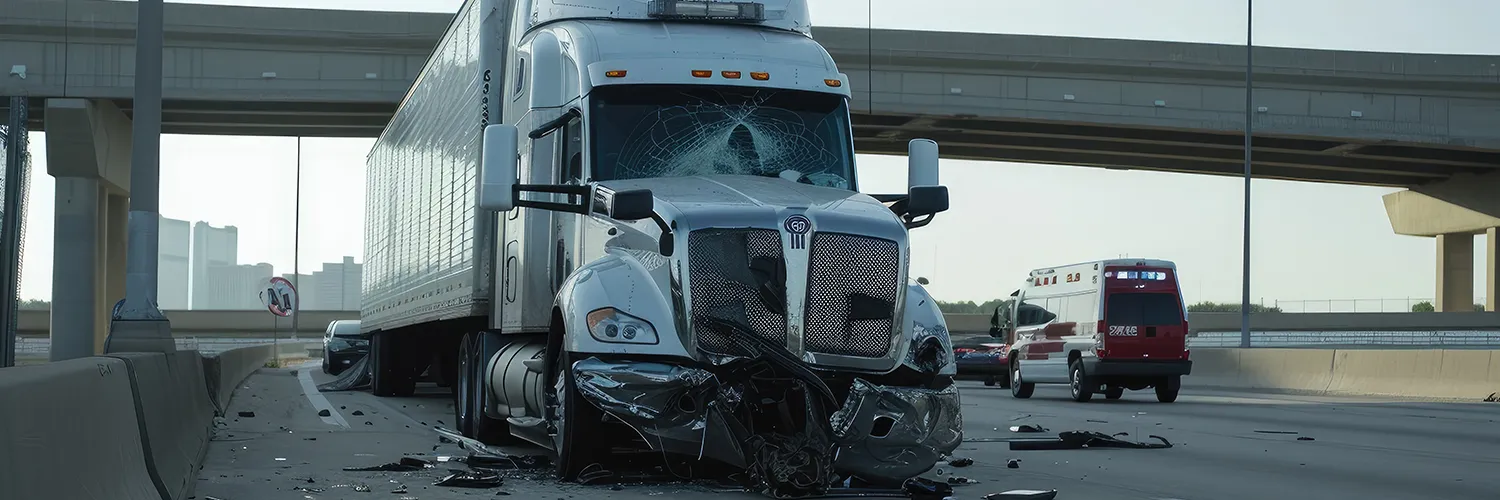
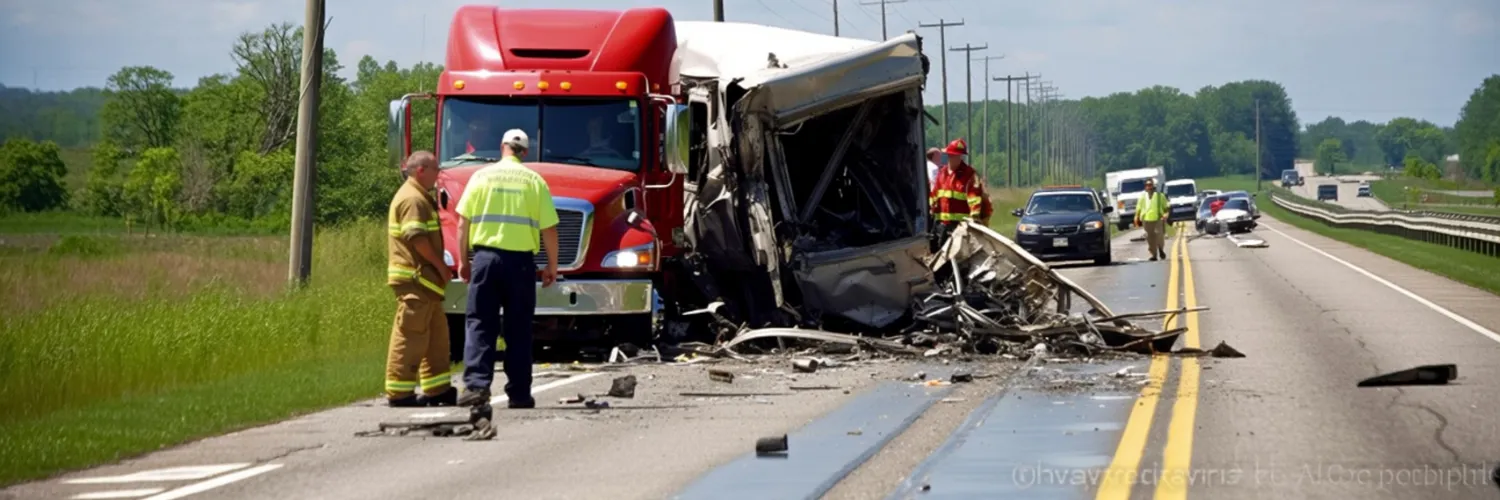
Sudden traffic slowdowns, poor visibility, or unsafe lane changes can cause widespread pileups. These incidents often result in pileup accident claims Texas drivers face on major roadways where traffic density is high.How Liability Is Evaluated in Multi-Vehicle Accidents
Determining liability in a multi-car crash requires more than identifying who struck whom. Investigators examine how each driver’s conduct contributed to the overall event.
Initial Negligent Conduct
The driver whose actions set the crash in motion receives close scrutiny. Distracted driving, speeding, or abrupt braking may establish initial fault, but this does not automatically mean that driver bears full responsibility.Shared Responsibility Among Drivers
In many cases, multiple drivers contribute through independent negligent acts. Unsafe following distance, failure to react, or improper lane positioning may all play a role. These situations often involve multiple at-fault drivers Texas law recognizes.Allocation of Fault
Responsibility is divided by percentage. Each driver is financially responsible only for the portion of damages tied to their contribution to the accident.Comparative Fault in Texas Multi-Vehicle Accidents
Texas uses a proportionate responsibility framework, which directly affects who may recover compensation and in what amount.
How the 51 Percent Rule Applies
Who Pays for Damages in a Multi-Vehicle Accident
Payment responsibility depends on fault findings and available insurance coverage. In multi-vehicle crashes, compensation is often drawn from multiple sources.
At-Fault Drivers and Their Insurance
Each responsible driver’s insurer covers damages up to the limits of the policy. No single policy automatically applies to all losses.
Multiple Insurance Carriers
When fault is shared, several insurers may be involved simultaneously. Payments are typically distributed according to each driver’s assigned percentage of fault, a common issue in insurance coverage in multi-car crashes.
Passenger Claims
Passengers are generally not assigned fault and may pursue claims against any driver whose negligence contributed to the accident.
Personal Insurance Coverage
When total damages exceed available liability coverage, uninsured or underinsured motorist coverage may help bridge the gap.
How Evidence Shapes Liability Decisions
Evidence plays a central role in multi-vehicle accident claims. Without documentation, fault assessments often rely on conflicting statements.
Common Challenges in Multi-Vehicle Accident Claims
Multi-car claims often involve delayed resolution due to competing narratives and insurer resistance. Each insurance company may attempt to minimize exposure by shifting responsibility elsewhere.
Why Legal Evaluation Matters in Complex Accident Cases
Because liability is divided rather than assumed, multi-vehicle accidents require careful evaluation. Without proper analysis, fault may be overstated or unfairly assigned.
Conclusion
Multi-vehicle accidents in Texas demand more than a surface-level review. Liability depends on how each driver contributed to the collision, how fault is apportioned, and how insurance coverage applies. Since Texas car accident liability rules directly shape compensation outcomes, careful evaluation is essential. When questions arise after a serious multi-vehicle crash, seeking guidance from us can help clarify available options and ensure the situation is reviewed thoroughly and fairly.
Frequently Asked Questions (FAQs)
1.How is fault determined in a multi-vehicle accident in Texas?
Fault is assigned based on evidence showing how each driver contributed to the crash.
2.Can more than one driver be responsible for damages?
Yes, liability is often divided among multiple drivers.
3.How does comparative fault affect compensation?
Compensation is reduced according to the injured party’s percentage of fault.
4.What happens if insurance coverage is insufficient?
Uninsured or underinsured motorist coverage may help cover remaining losses.