






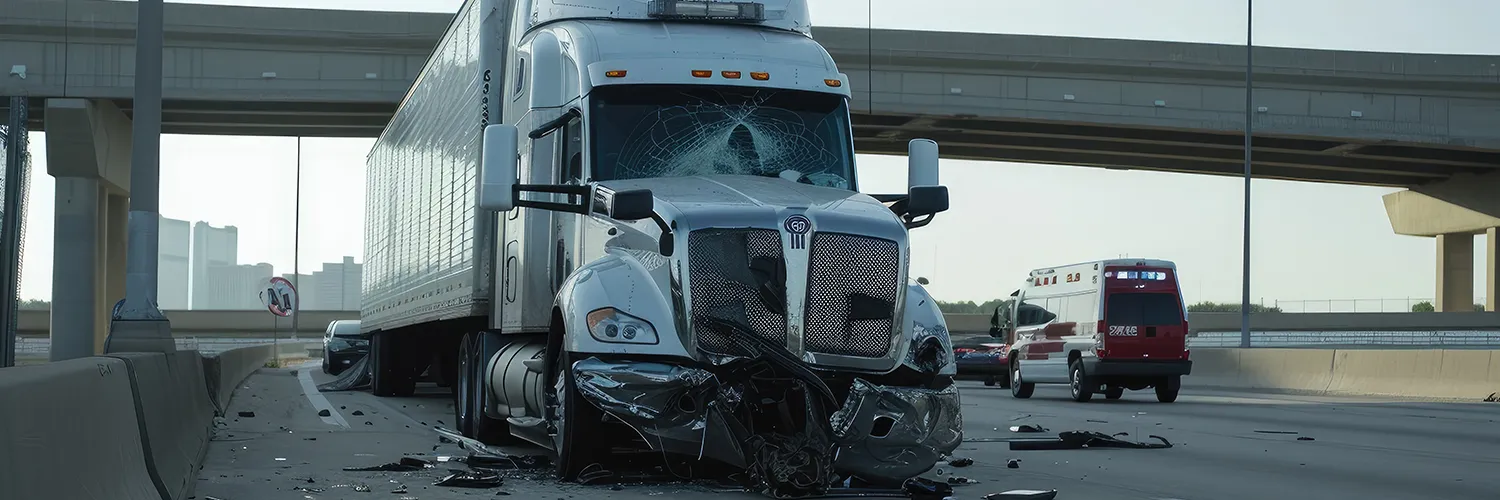








Dallas continues to introduce road safety measures aimed at reducing accidents and improving traffic flow. These Dallas road safety updates are not limited to enforcement or infrastructure alone. They directly influence how responsibility is assessed after a crash and how injury claims are evaluated. Knowing what has changed helps injured individuals understand how updated traffic rules affect fault, evidence, and outcomes in personal injury cases.
Overview of Recent Road Safety Updates in Dallas
Recent updates in Dallas focus on improving accountability on the road and addressing high-risk driving behavior. These updates include stricter enforcement at intersections, revised roadway controls, and local measures aligned with statewide safety priorities. Many of these changes fall under new traffic laws in Dallas, targeting issues such as speeding, distracted driving, and pedestrian right-of-way. While these updates may appear administrative, they play a meaningful role when accidents occur.
Why Road Safety Updates Matter in Injury Claims
Traffic laws define the standard of care drivers are expected to follow. When those standards change, the legal expectations applied after an accident change as well. Understanding how road safety changes affect injury claims helps explain why compliance with updated rules often becomes a focal point during claim evaluation. In these cases, fault is assessed based on the traffic laws in effect at the time of the accident, not on how the road may have been regulated in the past.
How New Traffic Laws in Dallas Affect Liability
Liability in accident cases frequently depends on whether a driver violated a traffic law. When Dallas updates its safety regulations, those rules become part of the legal standard used to evaluate driver behavior. A violation of a newly adopted traffic rule may be used as evidence that a driver failed to act with reasonable care under the circumstances. These local safety updates are applied together with Texas road safety laws, meaning liability is assessed by considering both the specific Dallas regulation and the broader statewide legal framework.
Impact on Dallas Traffic Accident Claims
In Dallas traffic accident claims, updated safety measures influence how insurers and courts evaluate responsibility. Compliance with current traffic rules can support a driver’s position, while violations may weaken it. Evidence such as citations, roadway markings, traffic signals, and enforcement zones is often reviewed in light of recent updates. This makes awareness of current safety rules particularly important when a claim is under review.
How Road Safety Updates Affect Evidence in Injury Claims
Road safety updates do more than influence driving behavior. They also shape how evidence is collected, evaluated, and weighed in injury claims. When traffic rules change, compliance becomes a concrete legal benchmark rather than a general expectation.
How Updated Traffic Laws Shape Evidence Review
When new safety rules are introduced, certain forms of evidence carry greater importance. Traffic citations issued under revised laws often reflect clearer standards of conduct and are closely reviewed during claim evaluations.
Evidence commonly examined includes:
- Traffic citations tied to updated regulations
- Intersection controls or newly installed signage
- Lane markings, pedestrian zones, and traffic signals
How Compliance Is Evaluated After an Accident
Compliance with updated road safety rules is often treated as a measurable factor. Investigators and insurers compare driver behavior against the regulations in effect, not outdated practices or assumptions. Even minor deviations from updated rules may influence how fault is assessed.
This approach affects how responsibility is allocated, particularly in cases involving shared or comparative fault.
The Role of Visual and Third-Party Evidence
Road safety updates also influence how visual evidence is interpreted. Dashcam footage, surveillance video, and witness statements are often reviewed alongside current traffic rules to determine whether conduct aligned with updated expectations. For example, changes to intersection controls or pedestrian right-of-way rules may alter how certain actions are viewed during claim analysis.
Why Documentation Matters More After Updates
Because road safety rules evolve, documentation becomes increasingly important. Photos of signage, roadway markings, and traffic conditions can help establish how updated regulations applied at the time of the collision.
As a result, road safety updates quietly reshape how evidence is gathered, presented, and understood in injury claims.
How Texas Traffic Regulations Shape Local Claims
Dallas road safety initiatives operate within the broader framework of Texas traffic regulations. While Dallas may implement local measures, those updates reinforce rather than replace statewide rules. This relationship explains why Dallas injury claims are still grounded in Texas law, even when city-specific safety updates are involved.
How Texas Traffic Regulations Shape Local Claims
Traffic laws evolve in response to safety concerns, and injury claims evolve with them. Understanding that updated rules affect evidence, liability, and claim evaluation helps injured individuals avoid relying on outdated assumptions. Awareness of current standards provides clarity when navigating the post-accident process.
Conclusion
Dallas road safety updates continue to influence how accidents are evaluated and how injury claims move forward. Changes in traffic laws affect liability standards, evidence review, and compliance expectations. For accident and personal injury matters, whether a claim resolves through settlement or further legal review, Cage Law Group assists individuals by explaining their options and guiding them through the process. If you need assistance understanding how recent safety updates may affect Dallas traffic accident claims learning your options early can help you move forward with clarity.
Frequently Asked Questions (FAQs)
1.What qualifies as a catastrophic injury under Texas law?
Any injury resulting in permanent disability, significant disfigurement, or long-term loss of bodily function may be considered catastrophic. This includes traumatic brain injuries, paralysis, and severe burns.
2.How soon should I contact a lawyer after the accident?
It’s best to consult a personal injury attorney as soon as possible. Early involvement allows your lawyer to gather fresh evidence, communicate with insurance adjusters, and protect your rights from the beginning.
3. Will I have to go to court?
Not always. Many catastrophic injury cases settle out of court. However, if fair compensation isn’t offered, your attorney may recommend litigation. The goal is always to secure the best possible outcome for you.
4.How much does it cost to hire Cage Law Group?
Our firm works on a contingency fee basis. That means you pay nothing unless we win your case.